Guide
Scope should be practical, not overcomplicated
Most China onsite support work can be scoped by answering five questions: where, what, when, who can grant access, and what records are needed afterward.
Define the onsite action
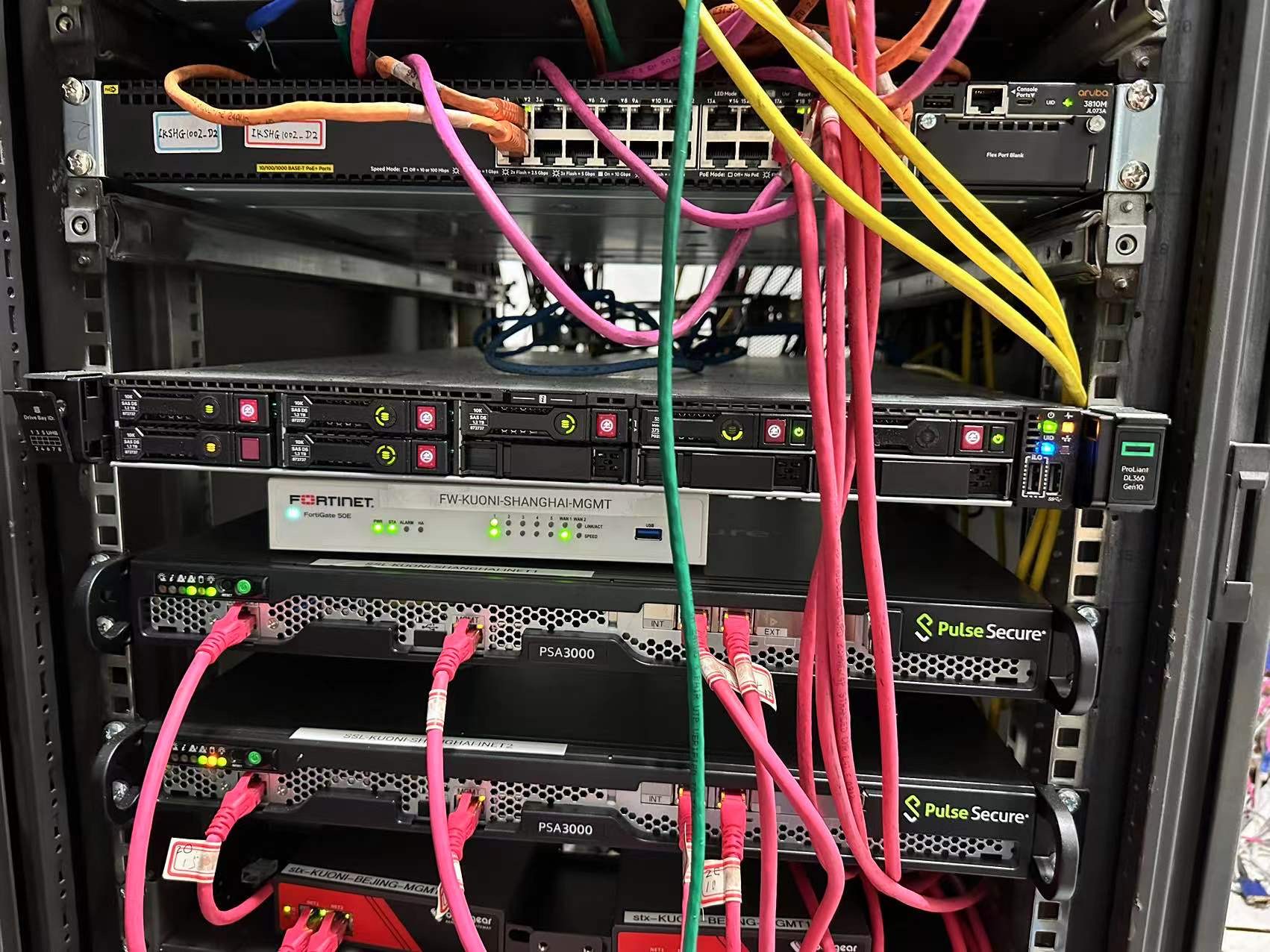
A remote instruction like “check the network” is too broad. A task like “photograph rack A, confirm firewall serial, and verify ports 1-4” is actionable.
Define the handoff
Decide whether the engineer should send photos, join a bridge call, update a ticket, or provide a written summary after the visit.
Checklist
Details to prepare before contacting us
Send what you know first. If something is missing, we can ask for the remaining details before confirming the support path.
- City and site location
- Task type: desktop, Smart Hands, WiFi survey, ITAD, or mixed work
- Expected onsite action
- Required skill level or tools
- Site access and safety rules
- Timing and maintenance window
- Remote bridge or live verification needs
- Records required after the visit
Process
Recommended preparation steps
Separate task from outcome
The task is what the onsite engineer does. The outcome is what your remote team needs to decide or close afterward.
Choose the support path
Use resident support for frequent work, dispatch for tickets, planned visits for projects, and maintenance windows for sensitive changes.
Agree the records
Define photos, notes, reports, asset lists, or sign-off before the visit starts.
FAQ
Common questions
Can one China onsite support request include several task types?
Yes. Desktop support, Smart Hands, WiFi survey, and ITAD can be combined when the site work is related.
What makes a China onsite IT task actionable?
A task is actionable when the city, site, access path, expected onsite action, timing, and required records are clear.